R2D2-MH at the INSAR 2026 annual meeting
R2D2-MH was present at INSAR 2026 annual meeting that took place on April 22-25 in Prague, Czech Republic. Both researchers and co-creation members participated in the talks and posters to share recent progress and achievement of the project.
Prior to the meeting, members of the R2D2-MH co-creation groups joined the co-creation master class organised as pre-event by sister project AIMS-2-TRIALS. An excellent opportunity for co-creation members of both projects to exchange, learn from each others and share best practices to improve participative research in the field of neurodiversity research.
Talks and poster presentations
“Is optimal outcome really optimal ? Insights from the autistic and neurodivergent community”, by Melissa Black, Sven Bolte (Karolinska Institutet) and members from the adult hashtag#cocreation group. This is part of a panel session on Autistic People’s Views on Autism Diagnosis and Intervention.
“Atypical interpersonal motor synchrony and interpersonal movement variability in autism: pose estimation analysis of free-play”, poster presented by the group of Marie Schaer (University of Geneva).
“Longitudinal functional neuroimaging” panel discussion, with participation of Lucas Geelen (Radboudumc).
Panel session on Resilience in autism and neurodiversity
Chaired by Sven Bölte (Karolinska Institutet), the session brings together contributions from members of the R2D2-MH project and co-creation groups:
- Julie Segers (University of Antwerp, adult co-creation group) and members of the adult and adolescent cocreation groups on co-creating co-creation with neurodivergent participant groups
- Varun Warrier (University of Cambridge) on age at diagnosis and links to mental health
- Melissa Black (La Trobe University) and collaborators on identifying factors supporting positive life outcomes using the WHO ICF framework
- Hanna Seelemeyer (Goethe University Frankfurt) on the neuroanatomy of resilience and vulnerability in autism
A great example of how participative research combined with a collaborative and interdisciplinary approach can move the field of mental health and neurodiversity forward.
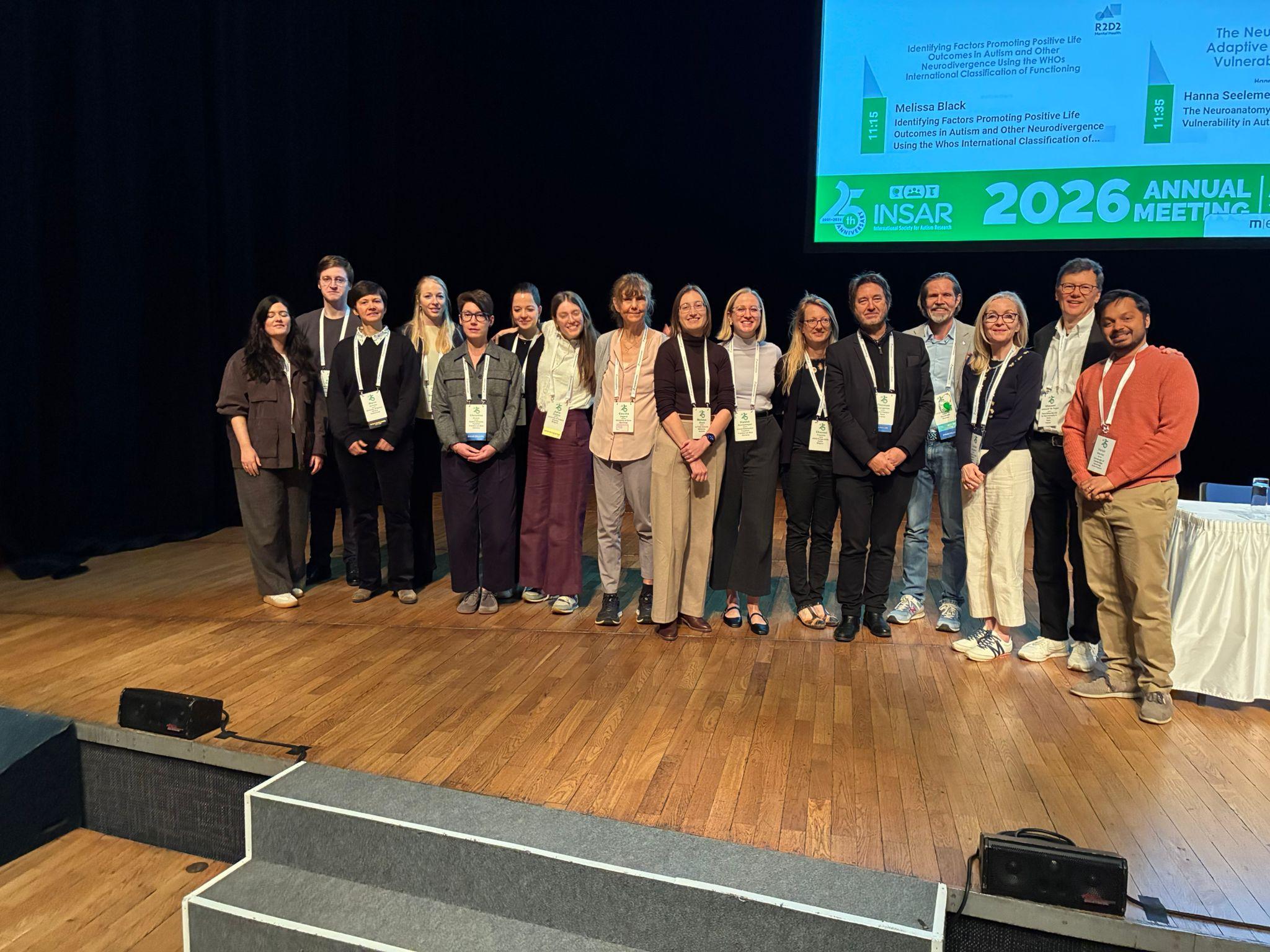
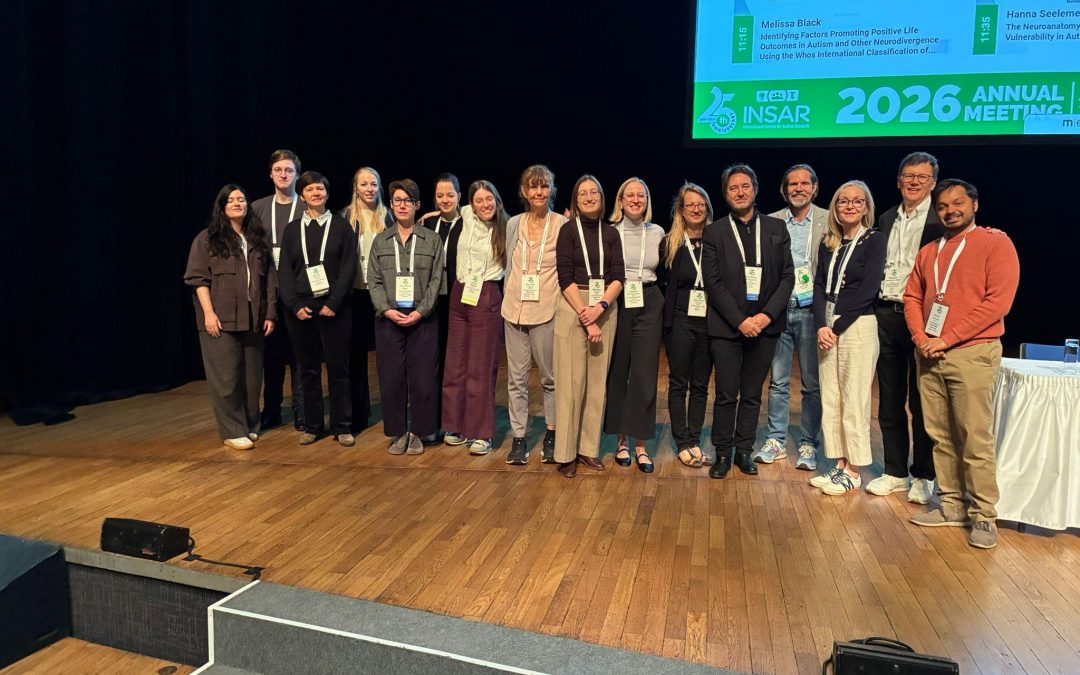
Photo: R2D2-MH participants at INSAR 2026.